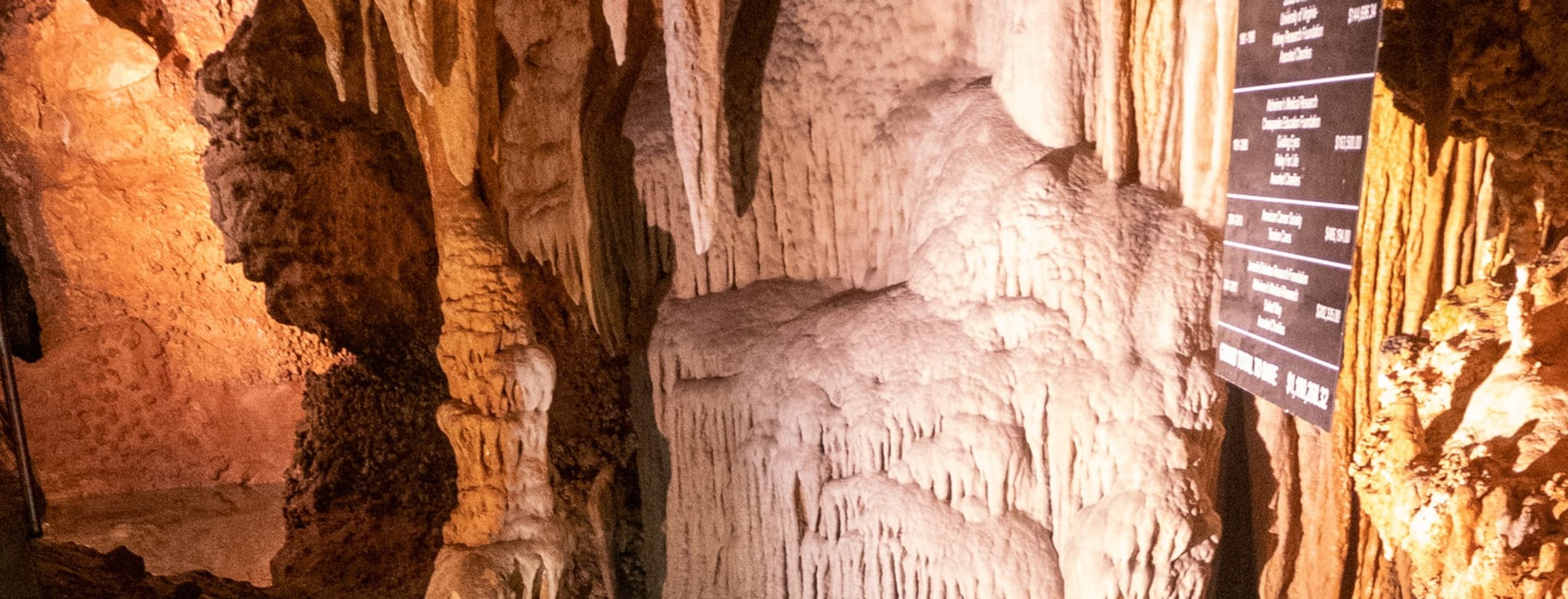
The Virginia General Assembly established Luray in 1812 on ten acres near Hawksbill Creek, and it became an incorporated town in 1871. Today it is the Page County seat and the busiest town in the valley, at 4,831 people in 2020. The downtown historic district is both a registered National Historic District and a Virginia Main Street community. Main Street is also the U.S. 211 Business route, so the commercial core is a working road, not a pedestrian mall.
The attractions are close enough to hear. Luray Caverns sits on the western side of town at 101 Cave Hill Road and lists daily hours. The Singing Tower, formally the Belle Brown Northcott Memorial, was erected in 1937 and stands 117 feet with a carillon of 47 bells, with free recitals in spring, summer and fall. A buyer should ask the obvious question: how does it sound from the porch? Visit an address on a recital day and on a busy October weekend.
Because Luray is a destination, the seasons are lopsided. Fall color weekends bring slow traffic on U.S. 211 and U.S. 340, and some streets near the caverns and downtown fill with visitors. Weekdays in winter are calm. Many buyers use Luray as a base for cabins and weekend stays, which shapes both the market and who your neighbors are, so ask whether an address is a long-term residence or a rental.